interview
In search of authenticity: Iain Grainger on fashion, Japanese brands, and changing trends
DMYTRO: Who are you today? You balance between research, collaboration, and consulting — how do these areas connect?
IAIN: I genuinely enjoy what I do now, but it wasn’t always this way. My career has been a real rollercoaster — it took a long time to get to where I am today, with plenty of highs and lows along the way. Spending many years as a senior analyst shaped how I approach both research and work in general. Research allows me to discover people and brands I truly connect with, and that naturally leads into consulting and collaborations. I also enjoy bringing people together — connecting those who might resonate with each other’s work. In many ways, that’s what ties everything I do together.
DMYTRO: You mentioned that your career has been long and winding, with both positive and difficult experiences. What lessons did you take from that journey, and how have they shaped the way you work today?
IAIN: One of the most important lessons was learning to stay positive. There were times when I felt like I’d never find work I truly enjoyed. But if you don’t give up and keep moving forward, things do change. When you have a goal, you commit to it fully and do whatever it takes to make it happen. That mindset comes largely from DIY punk and hardcore culture — if something needs to be done, you do it yourself. As for how this shaped my perspective, I don’t really think of what I do as a business. I work with brands I genuinely love and help them reach people who will love them too. It doesn’t feel like a job. I meet incredible people along the way, and I try to build real relationships rather than “network.” My approach is simple: be a good person and help others whenever you can.
DMYTRO: You work closely with Japanese brands and present them on an international stage. What makes Japanese brands so compelling for the global fashion community?
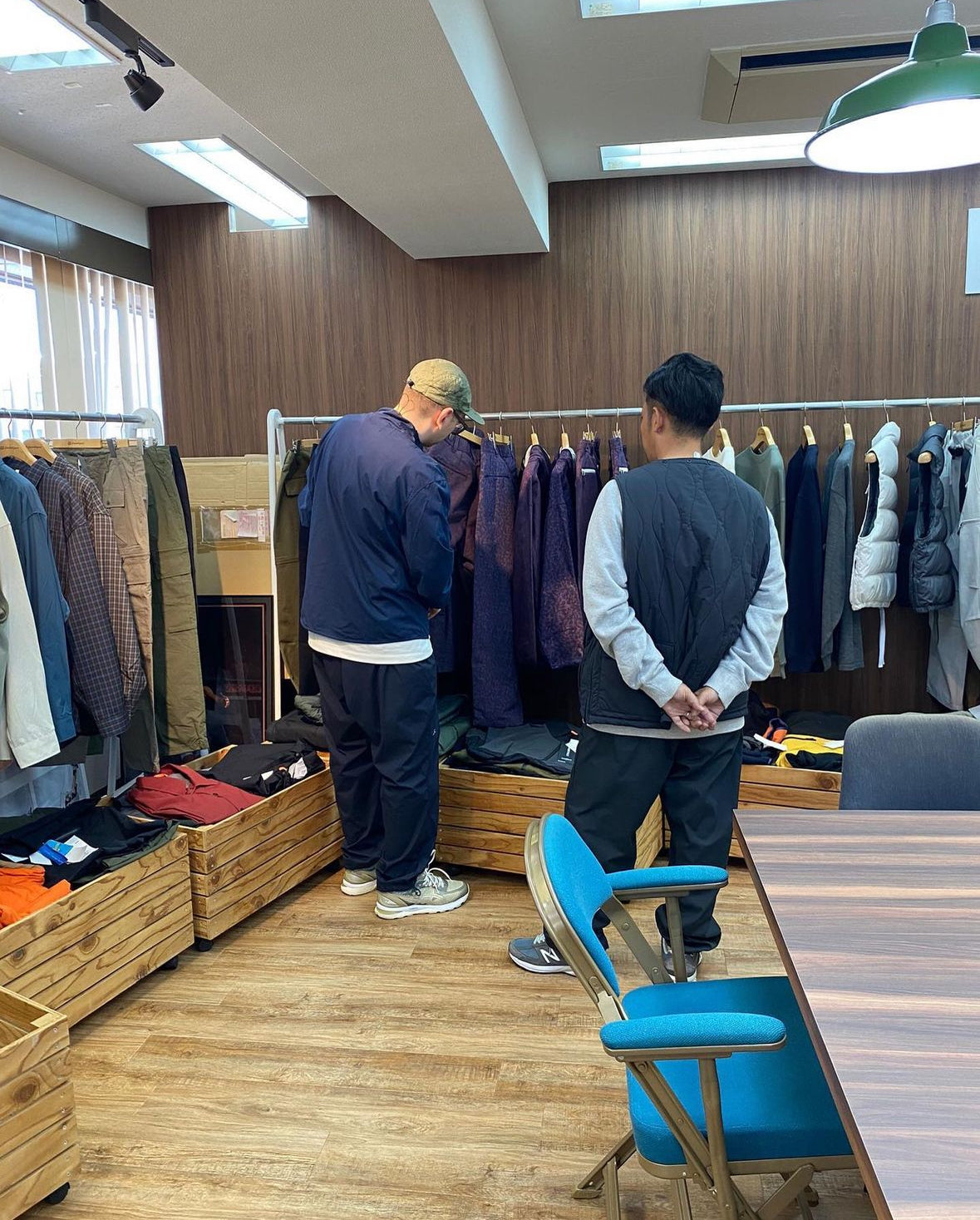
IAIN: At the moment, what we usually call “consulting” — although I wish there were a better word for it — is my main focus. More precisely, I concentrate on introducing brands to people who might never come across them otherwise, but who would genuinely connect with what they do. Without research, that simply wouldn’t be possible. In Japan, nothing is done halfway. When something is created with care and intention, it’s almost impossible not to feel drawn to it or become emotionally invested.
DMYTRO: What are the main challenges you face when presenting these brands internationally?
IAIN: One of the biggest challenges is simply getting collections in front of the right stores. Interestingly, the act of “selling” itself isn’t the hardest part — once people see the products in real life, they tend to speak for themselves. The SS25 season, however, was particularly tough due to the wider economic situation. Many stores were focused on managing existing stock rather than bringing in something new. That said, I’m confident that AW25 will be far more successful. Ultimately, success comes down to visibility. These brands offer something genuinely different, especially outside of Japan, and today consumers are actively looking for uniqueness. Familiar options no longer feel enough, which means more distinctive brands — and the stores that support them — are likely to become even more relevant moving forward.
DMYTRO: How does your research help you not only discover new brands, but also anticipate trends that will resonate with your audience? Do you follow a specific method?
IAIN: I spend a lot of time going down rabbit holes on Instagram, keeping an eye on what my favourite stores are doing — most of them are based in Japan or outside the UK and Europe. It’s something I would be doing daily anyway, simply because I enjoy discovering brands, whether completely new or just new to me, that are creating something special. I try to stay curious and keep my eyes open at all times.
DMYTRO: You mentioned that SS25 was a difficult season due to economic conditions. How do you help brands navigate periods like this?
IAIN: It always starts with openness and transparency. I speak directly with brands about the situation and plan the next steps together. At the same time, I have ongoing conversations with stores — how they’re feeling, what their plans are for upcoming seasons. Having that wider perspective allows me to see the full picture and communicate more effectively with the brands I work with.
DMYTRO: What global fashion trends do you think are currently shaping the future of the industry?
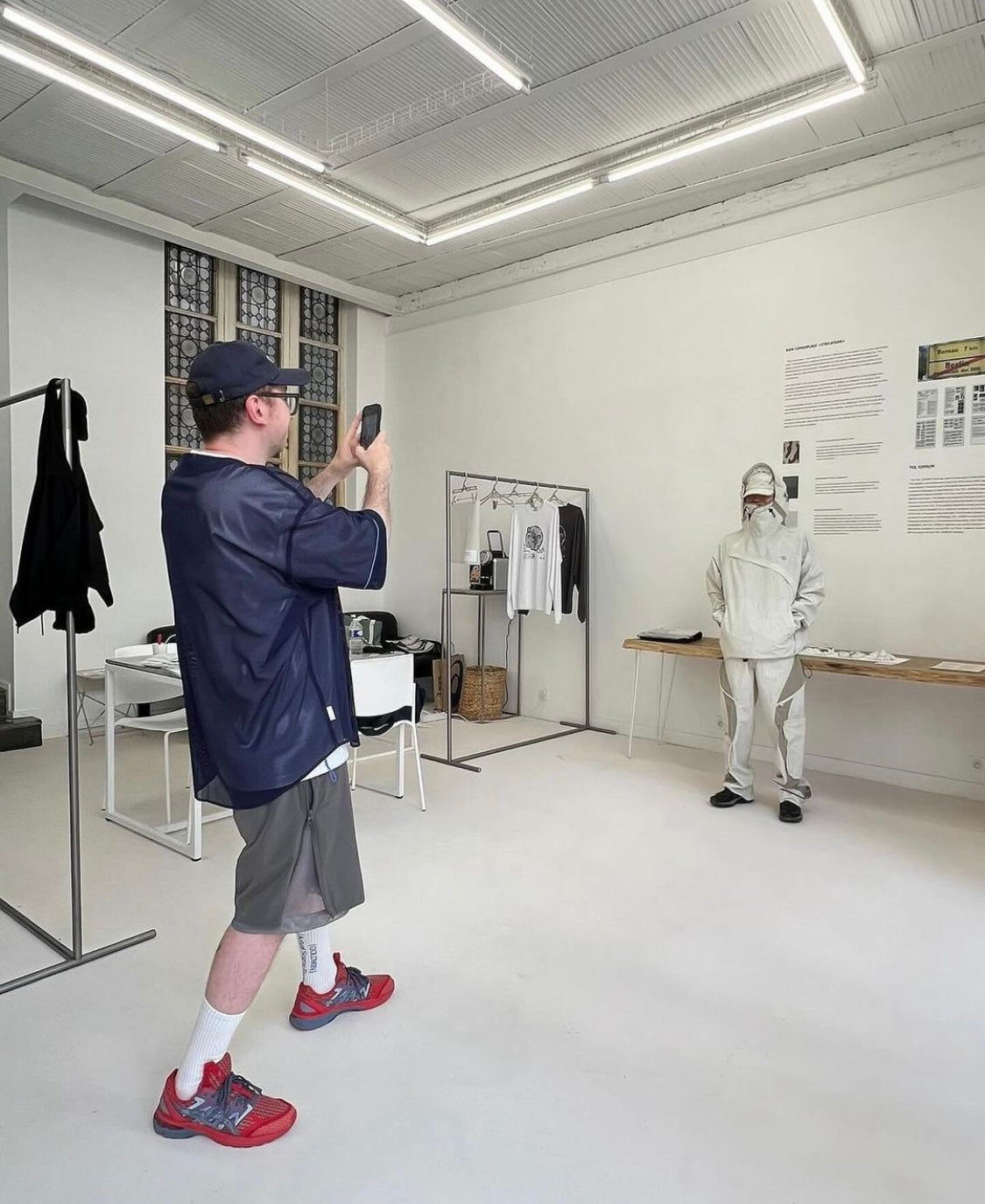
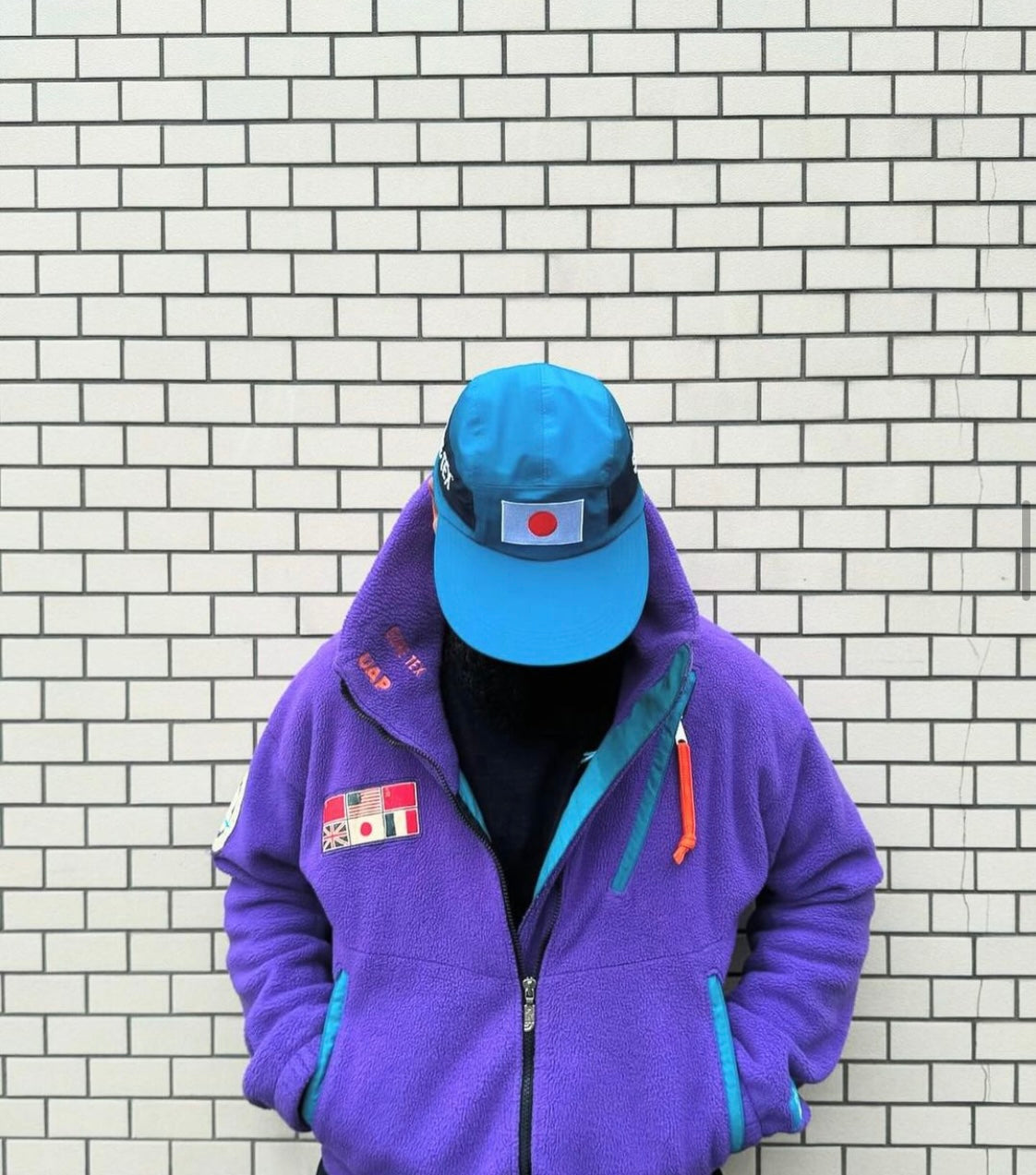
IAIN: This actually connects to the end of my previous answer, but I’ll expand on it a bit. I think people are tired of seeing the same choices everywhere. More and more, they’re looking for something unique — something that isn’t available in every store. It’s not really a specific trend in terms of style, but more of a global mindset. There’s a growing resistance to blindly following trends and a desire to define your own direction. In a way, that mindset has become a new kind of trend in itself.
DMYTRO: What trends inspire you personally, and how do they influence your consulting work?
IAIN: That’s a difficult question, because I wouldn’t say I follow trends in the traditional sense. I don’t mean this in an arrogant way, but I’m naturally drawn to things that feel less obvious — things not everyone already has. That doesn’t mean I don’t appreciate or wear well-known brands; I’m just more interested in wearing something I can introduce to people for the first time.
That idea is even reflected in the name of my online store, “The Spaces In Between,” which refers to brands that exist between categories. When it comes to consulting, it’s very simple: I never work with anything I don’t genuinely love and wear myself.
DMYTRO: Can you give examples of Japanese brands that you feel are still undervalued on the global market?
IAIN: I could talk about this for hours. There are hundreds of stores in Tokyo alone, each offering completely different brands, and I discover new ones almost every week. I also pay close attention to what my friends in Japan are sharing and discussing.
For now, I’d highlight the brands I currently work with — listed below — as well as a few others I personally admire. They’re absolutely ready to be discovered by a wider audience. If you’d like, I can also put together a more comprehensive list of brands that I think deserve much more attention.
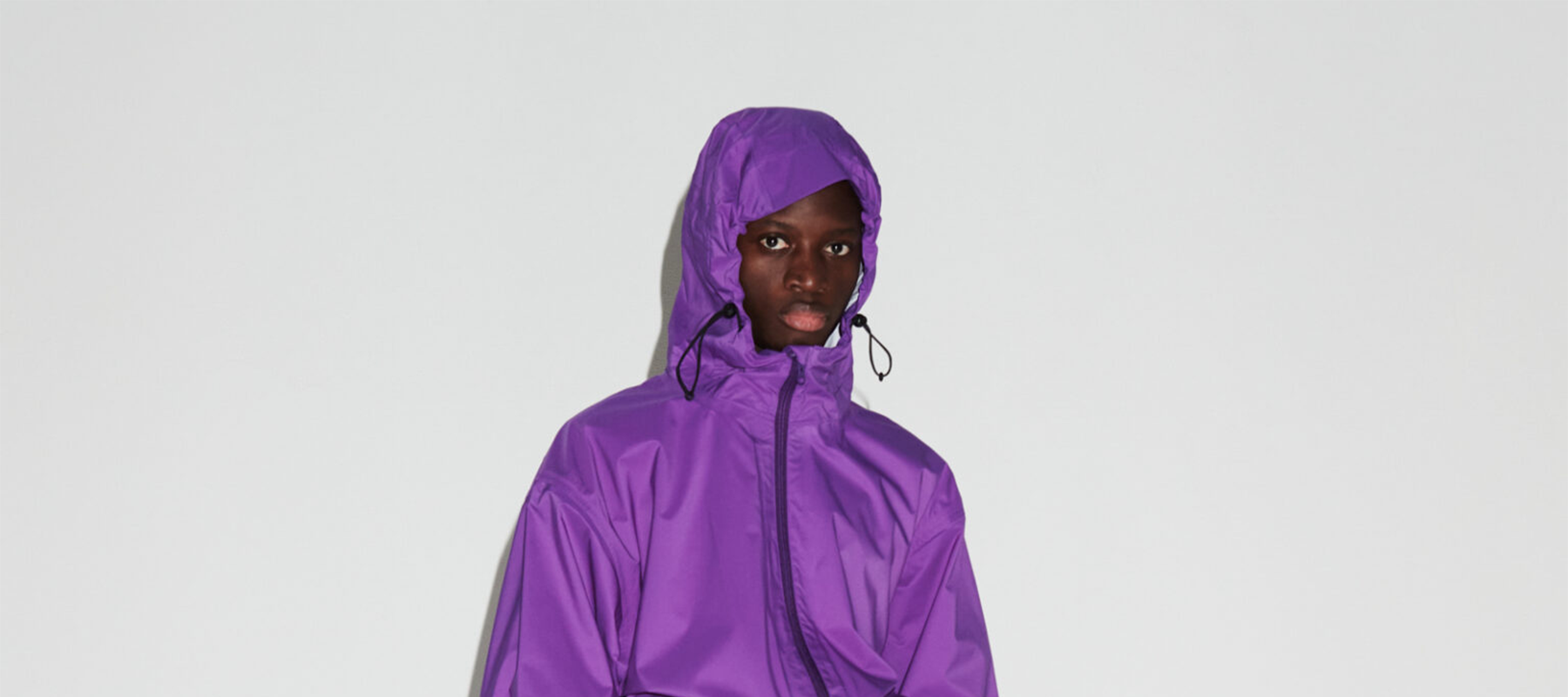
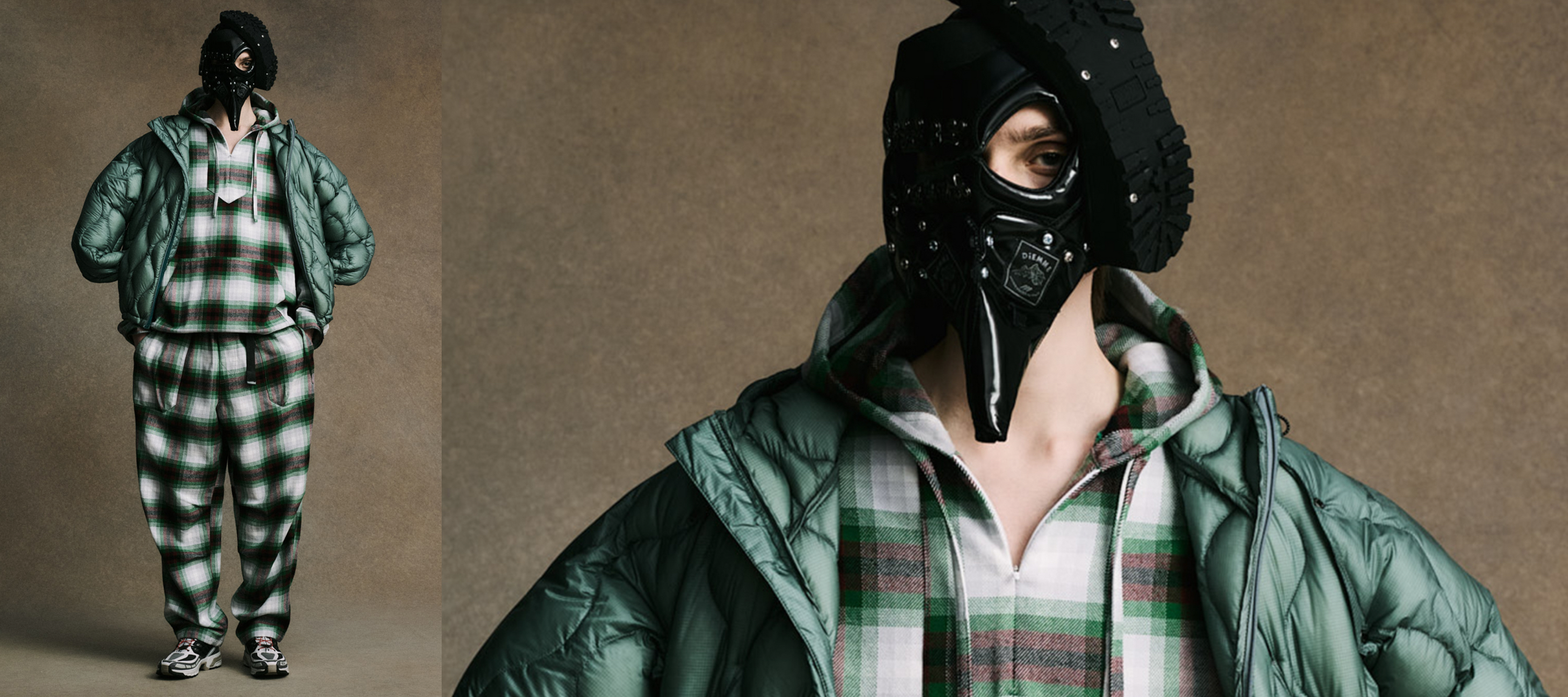
{ F/CE. – BAL – Jugem – ROTOL }
DMYTRO: You’re often described as one of the experts on gorpcore. How do you assess the current state of this style? Some believe it’s losing relevance — do you agree?
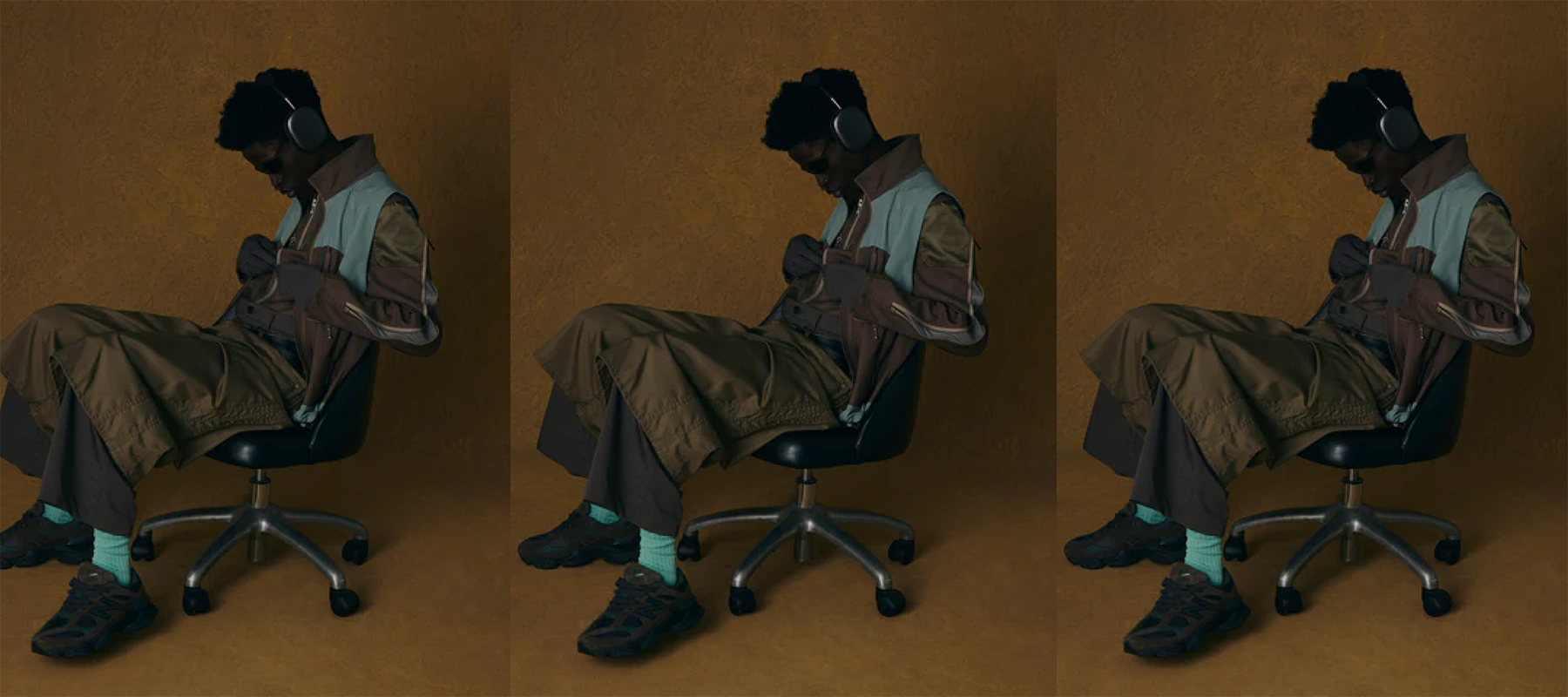
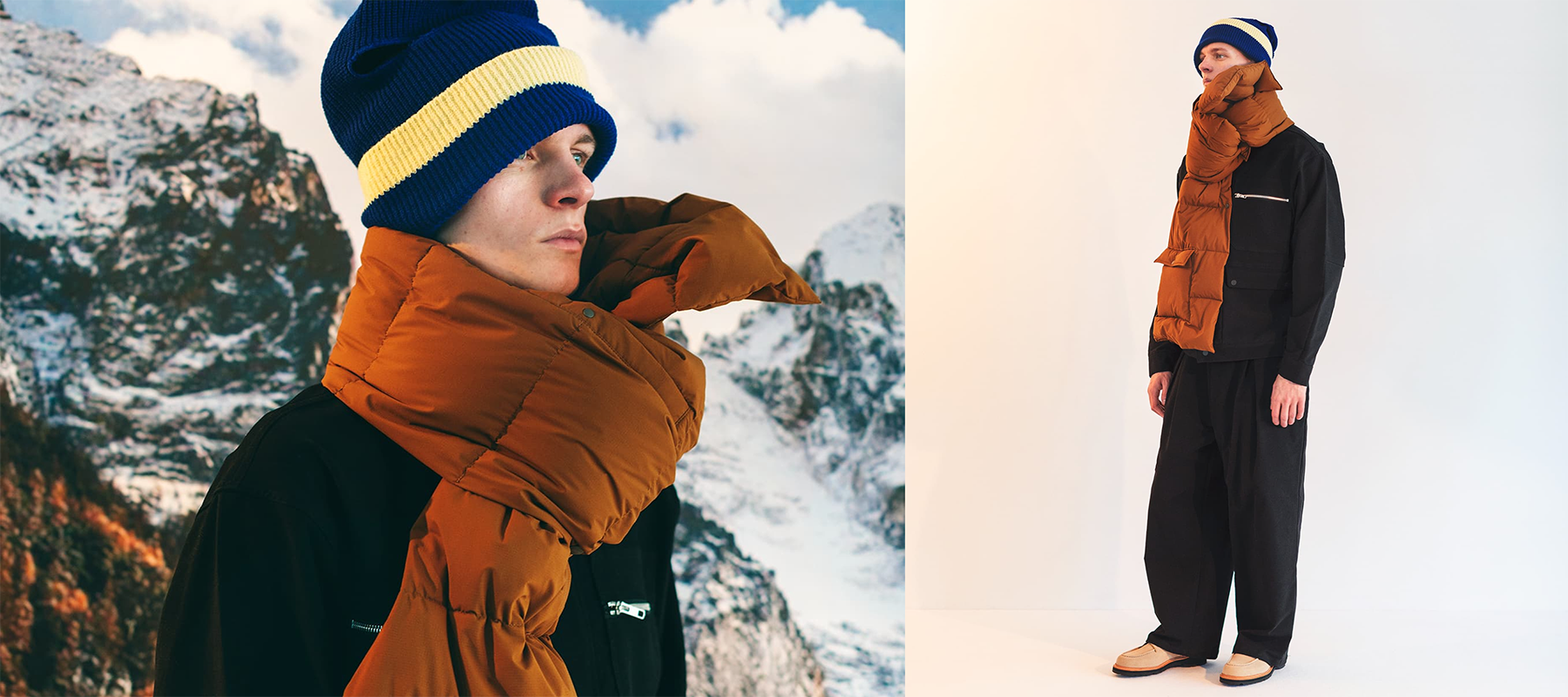
IAIN: Thanks for the kind words, but I’d probably step away from the “expert” label. Fashion is always in a constant state of change, and by the time the term “gorpcore” became widely used, it had already started to evolve into something else. So I wouldn’t say it’s fading or coming to an end — it’s more of a transformation. GORP itself (good old raisins and peanuts) existed long before fashion adopted it, and it’s not going anywhere.
DMYTRO: How can outdoor brands stay relevant in the context of these changes? Are there any new brands you’d highlight within the gorpcore space? Who do you think is leading the way today, and why?
IAIN: Personally, I’m more drawn to brands inspired by outdoor culture than to classic outdoor brands themselves. That said, I wear both — traditional outdoor brands, brands that borrow the aesthetic, and more contemporary labels. This blending has been happening for quite some time now, with people creating interesting combinations, mixing styles, and operating in those in-between spaces.
I think outdoor brands shouldn’t try too hard to chase fashion. Staying true to their roots is essential. If they’re embraced by a wider audience or the fashion world, that’s great — but the foundation should always come first. When it comes to specific names, I’d rather highlight strong and interesting brands overall, not just those that fit neatly into the “outdoor” category. In many ways, the leaders are still the ones who laid the groundwork in the first place.
DMYTRO: In your opinion, which elements of the gorpcore style have been adopted by global fashion brands? Do you see it as a long-term direction, or more of a temporary surge?
IAIN: I think it’s mainly about technical solutions and the use of fabrics in contexts where they weren’t used before. Clothing has become more functional than ever. The idea that garments should be not only visually appealing but also practical is something I believe will stay. It adds real meaning and value to the product itself.
DMYTRO: Footwear has always played an important role in outdoor style. Which brands do you consider the most innovative today?
IAIN: The strongest footwear brands right now are those that successfully blend outdoor aesthetics with everyday urban life. The North Face Japan is doing particularly strong work at the moment — their design team has a very different visual language compared to classic outdoor brands, and it really shows in their collections.
Athletics Footwear is another interesting example. Their 2.0 line is clearly inspired by classic Nike ACG models, which ties into a broader idea that footwear today should always offer some kind of technology that enhances comfort. Foot comfort and overall foot health matter, even in everyday life. We want shoes that feel good, last long, and don’t harm our feet.
DMYTRO: You mentioned comfort and foot health. Which brands, in your opinion, manage to combine comfort and style successfully? Often consumers feel they have to choose between the two.
IAIN: As I mentioned, Athletics Footwear is doing a great job in this area. Among larger brands, I think ASICS is also performing very well — most of their models originate in running or sports, so comfort is built in from the beginning. The collaborations with Kiko Kostadinov add distinctive colour palettes and materials, which elevate the design side.
Another strong example is HOKA, which follows a similar approach. Of course, many brands are now thinking about comfort in their newer models, though often in limited quantities. In reality, we still tend to choose what looks good, even if that sometimes means compromising foot health.