interview
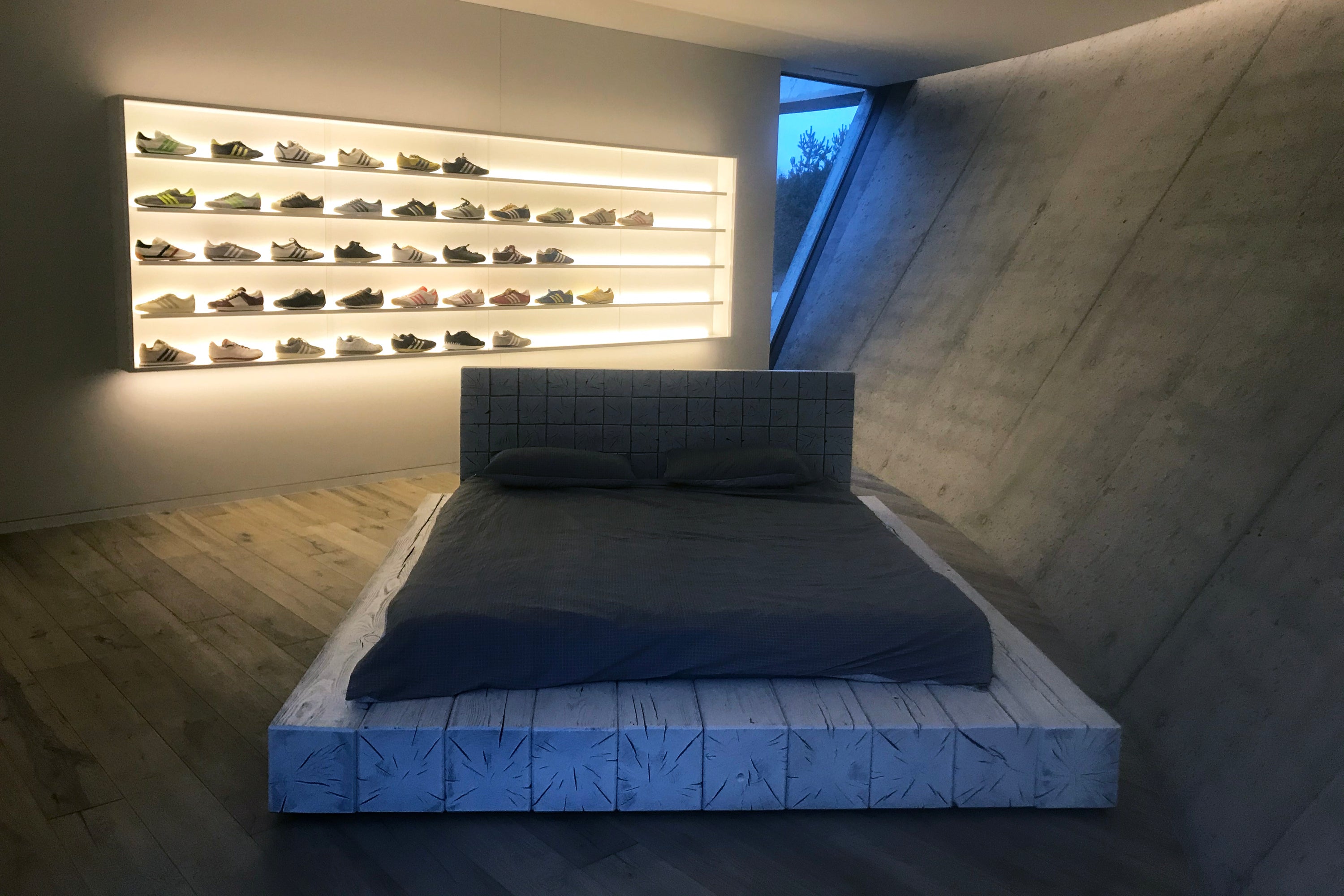
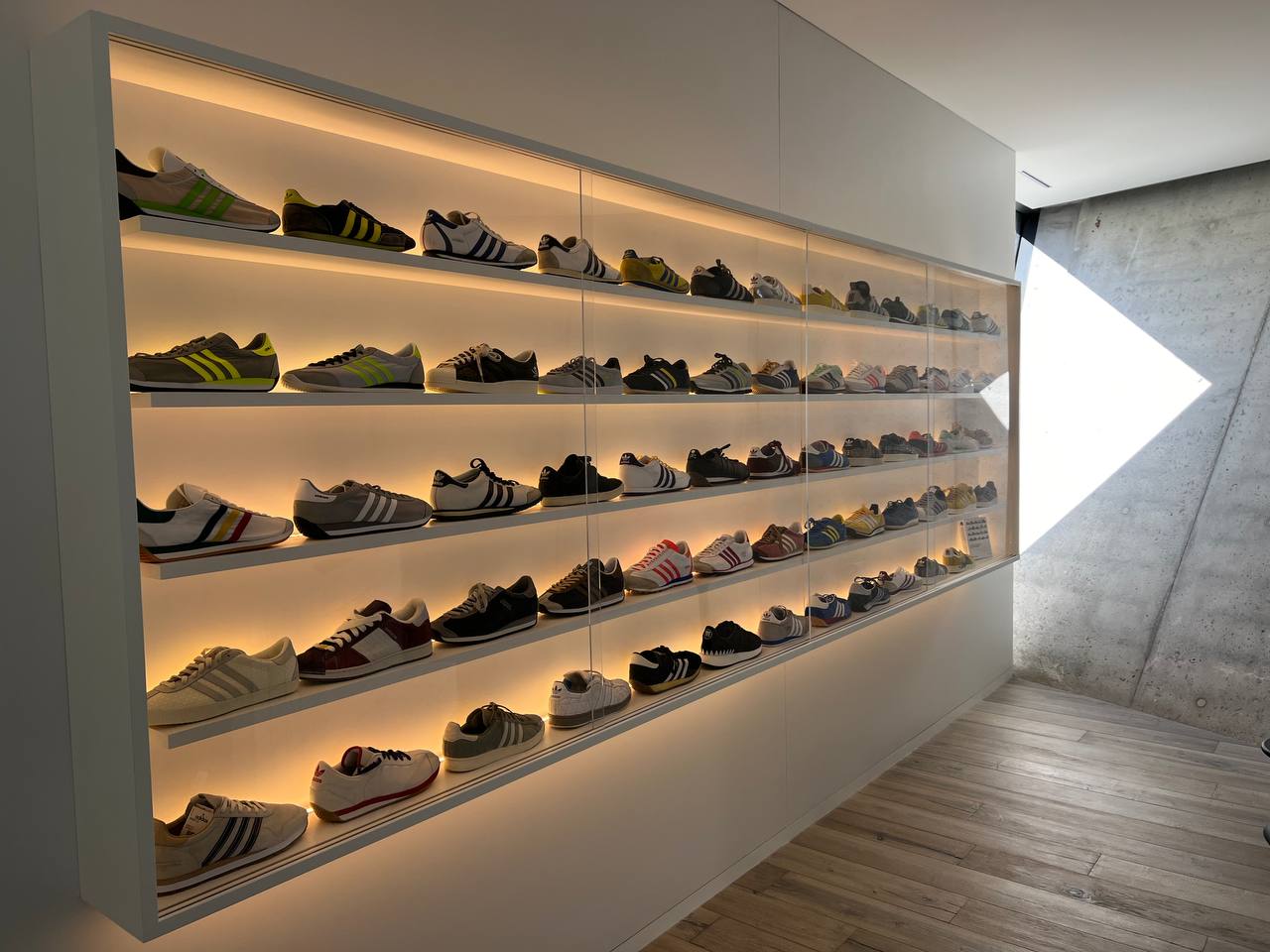
200+ pairs of Adidas sneakers from a Lithuanian collector
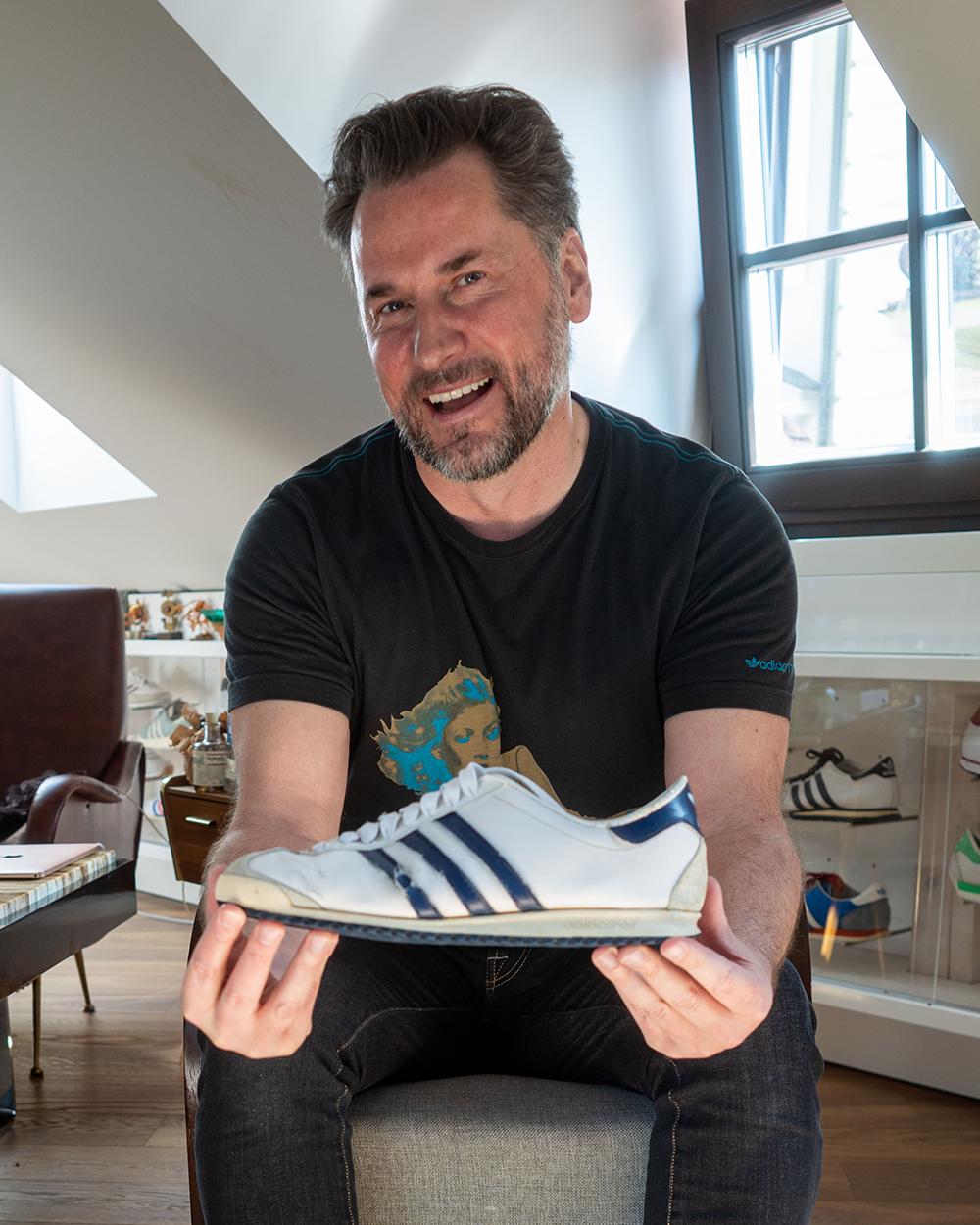
Who is Dovydas today?
I am a consultant on reforms and systemic issues in public administration. My work involves long-term processes, such as reforms in Ukraine, which can take decades. My services are purchased by the EU and large consulting companies. In my work, I often encounter the difficulty of evaluating results.
How do you find satisfaction in your work?
Interest in sneaker collecting is compensation for the lack of tangible results. For me, it's a way to feel real things in my hands, in contrast to the abstract tasks I work on in my usual job.
Why did sneakers become the object of your passion?
Why not? It's a good alternative to more abstract hobbies, such as exploring music and cinema.
Who is Dovydas today?
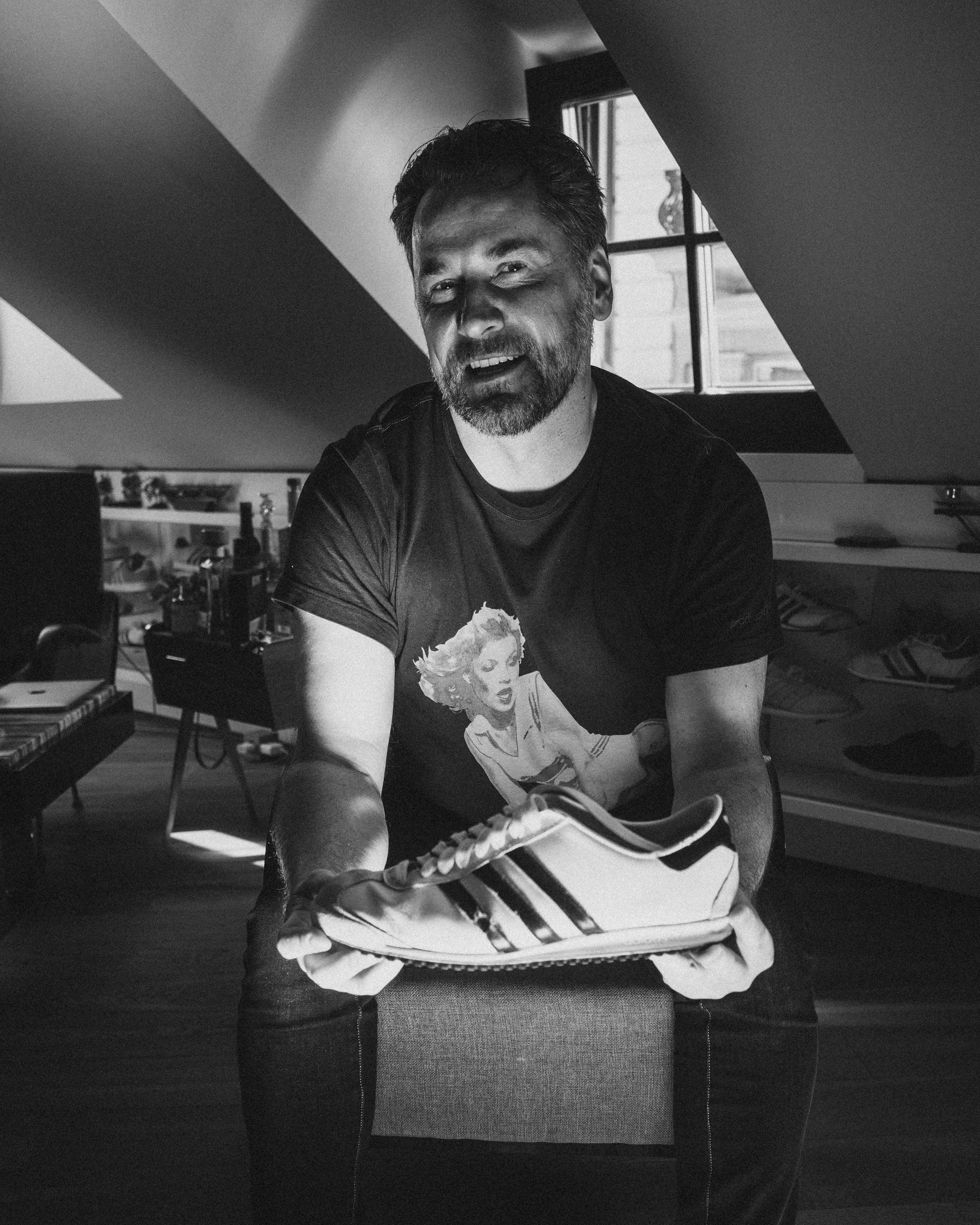
I am a consultant on reforms and systemic issues in public administration. My work involves long-term processes, such as reforms in Ukraine, which can take decades. My services are purchased by the EU and large consulting companies. In my work, I often encounter the difficulty of evaluating results.
How do you find satisfaction in your work?
Interest in sneaker collecting is compensation for the lack of tangible results. For me, it's a way to feel real things in my hands, in contrast to the abstract tasks I work on in my usual job.
Why did sneakers become the object of your passion?
Why not? It's a good alternative to more abstract hobbies, such as exploring music and cinema.
How do you evaluate the evolution of sneaker design over time?
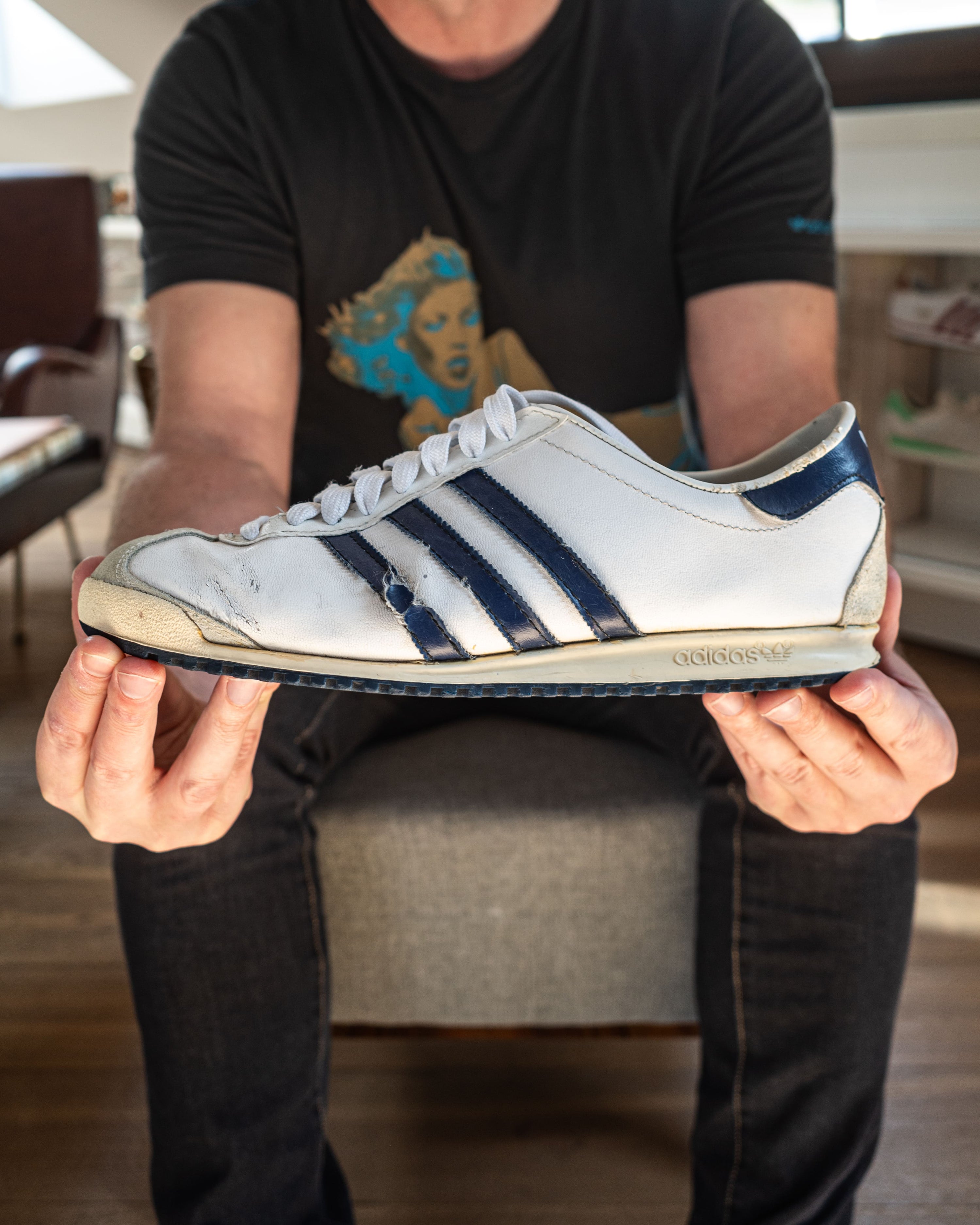
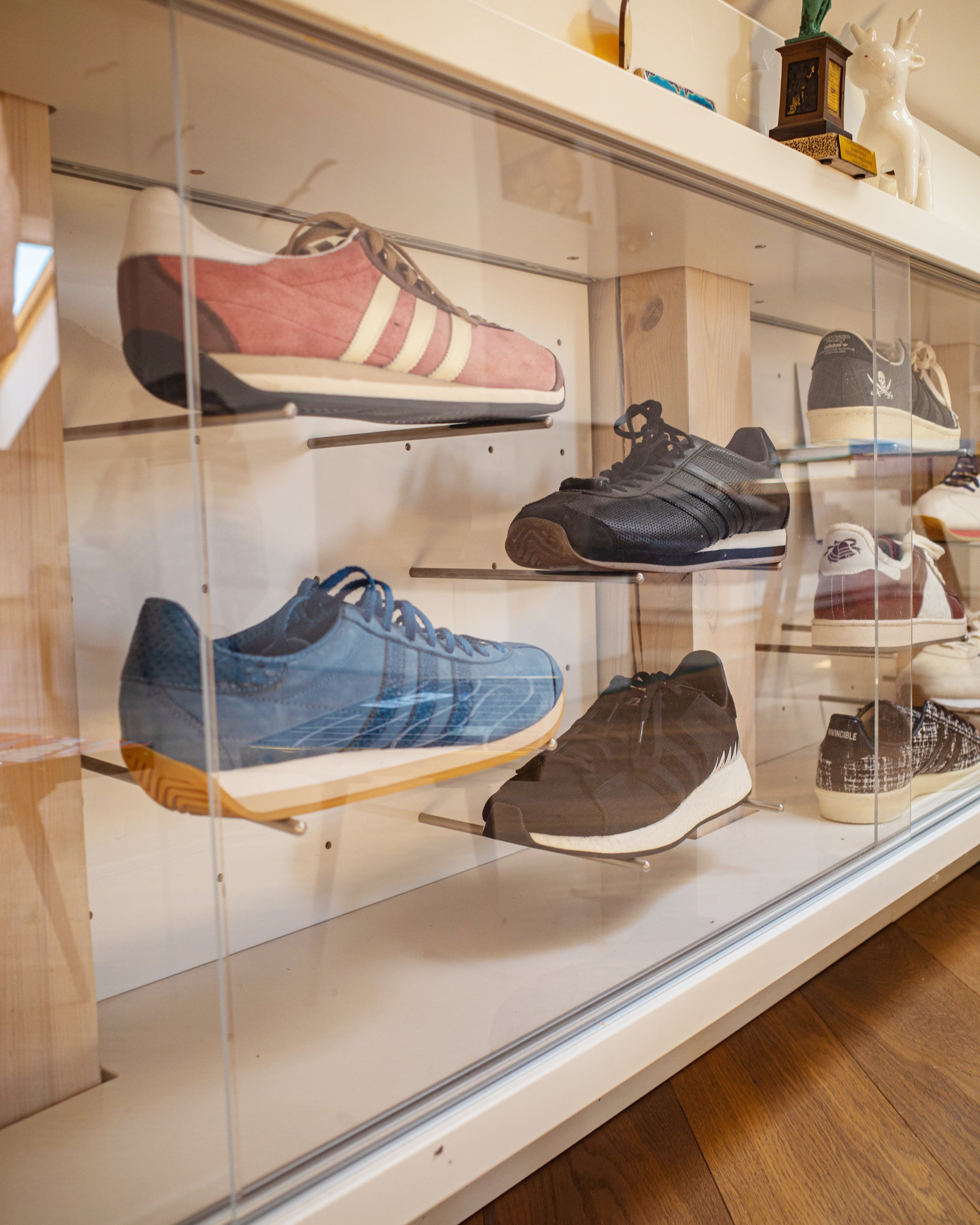
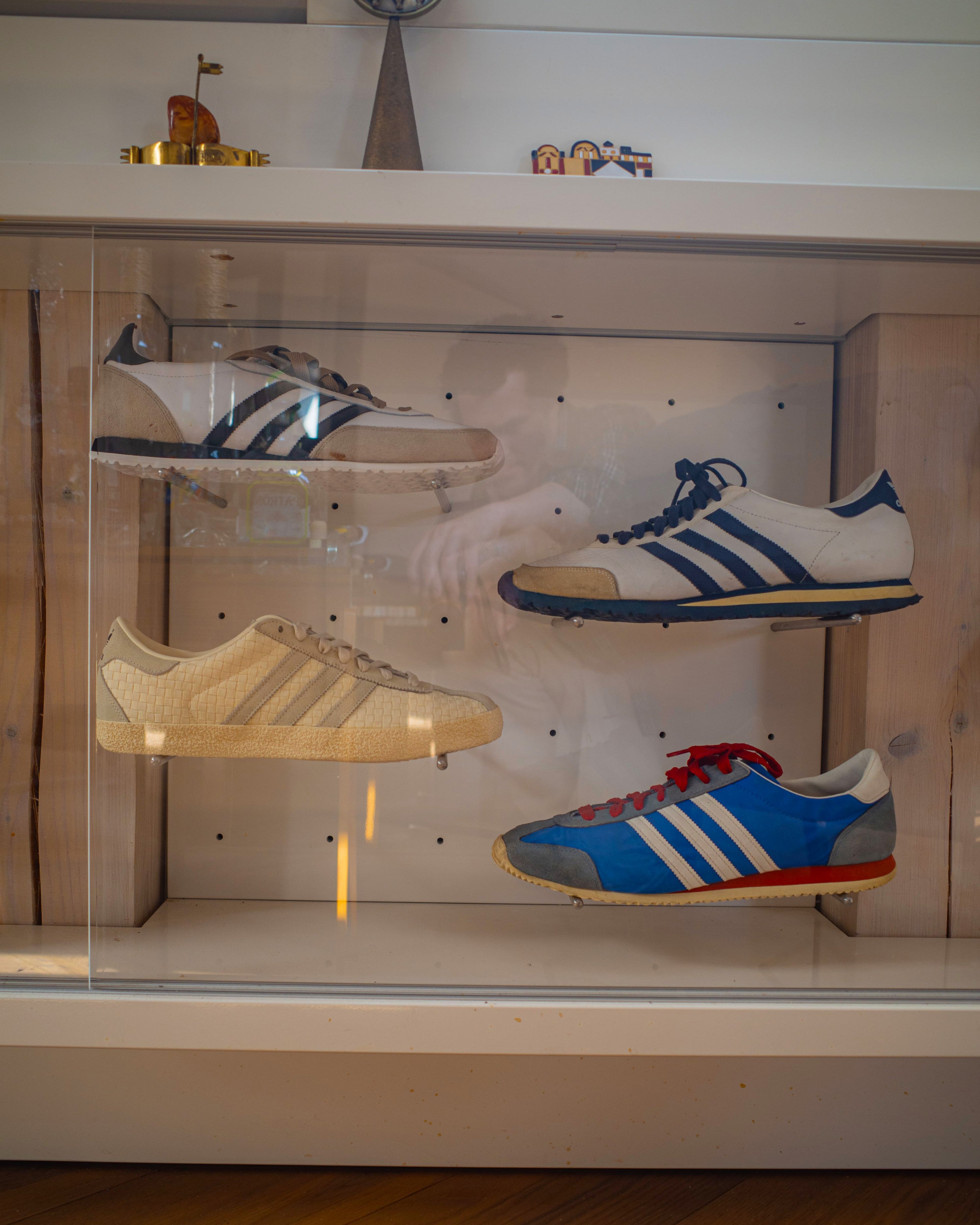
In the sixties and seventies, the design was the purest, and for me, the best. In the eighties and later, it became more complex and technically advanced. Although this was intended to improve functionality, I personally did not like it. I always thought that sneakers were, first and foremost, casual wear—and only then, sportswear. Therefore, I preferred simple shapes and lines that are characteristic of classic models such as the Gazelle, Campus, Country, or Superstar. My attachment to these models remains unchanged, and I am glad that the retro image is becoming fashionable again, attracting the attention of both young people and contemporary designers.
When did you realize you were a collector?
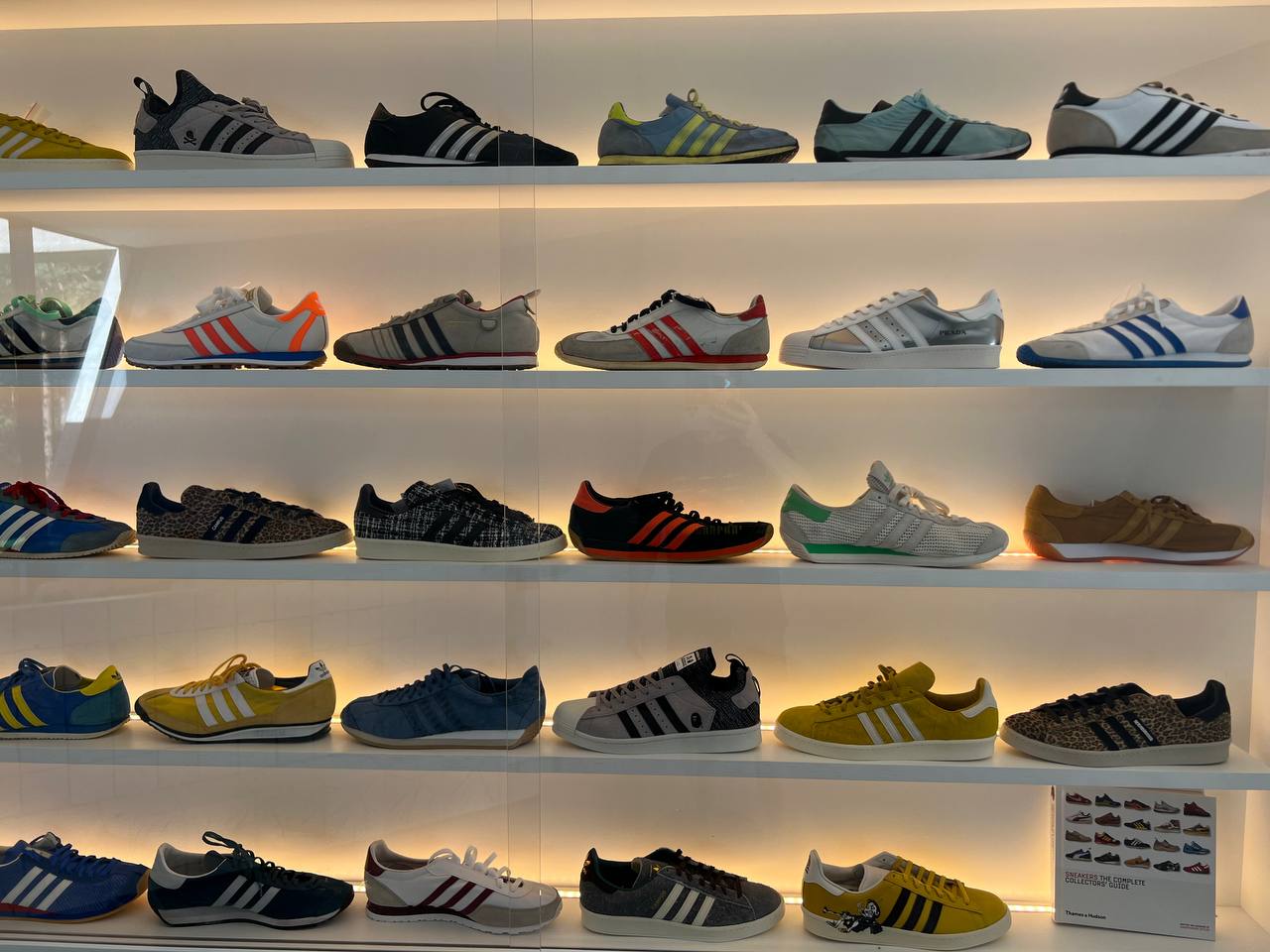
My passion for collecting began when I started looking for rarer sneaker models. Starting with regular serial models like the Superstar, which have been produced since 1969 and are still available on the market, I gradually moved on to searching for unique and collectible pieces. I was particularly attracted to reissues of old models and collaborations with other brands that collaborate with Adidas through the Consortium program.
What attracts you to collaborations and reissues?
I am interested in seeing how, with the participation of new designers or brands, an ordinary sneaker model acquires a new incarnation. Each designer brings their unique details, sometimes completely changing the model, and sometimes making changes that might even be unnoticeable at first glance. In the end, it still remains the same model that was created decades ago. For example, I have two pairs of Adidas Campus in artificial leopard fur from the Japanese street fashion brand Neighborhood. I also have pairs made of pony hair and crocodile leather (I'm not sure if it's real or not…).
Can you give examples of your rare acquisitions?
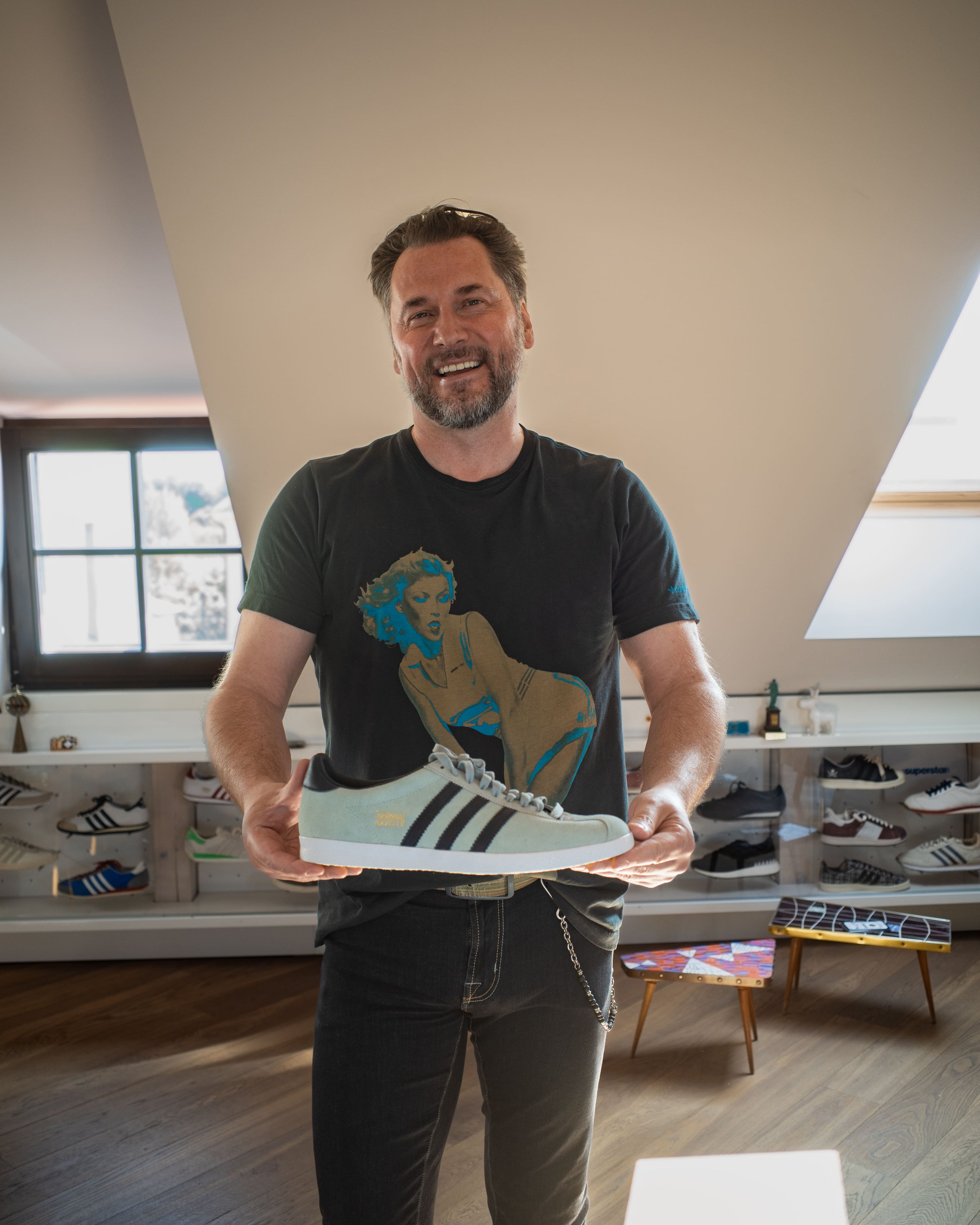
I also buy antiques. One of my first and most significant acquisitions was a pair of Mustang sneakers released in the 70s in West Germany. I bought them about 25 years ago on eBay for around 200 euros. These sneakers combine elements of running models (Country, SL72) with characteristic features of tennis (Gazelle) and basketball (Superstar) shoes. This purchase was kind of an epiphany that I value things that might be misunderstood by the majority. But now, I could probably sell them for almost 1,000 euros—even the country where they were made no longer exists.
How do you usually choose a model? Do you have a plan, or does it depend more on your mood?
I am not a typical shopaholic and prefer online shopping, especially auctions and sales like eBay. This has allowed me to buy shoes from all over the world. The emergence of online trading in the 2000s significantly changed my collecting opportunities. I don't just follow fashion but look for unique and rare models that have meaning for me. For example, I might search for "Adidas Neighborhood" or "Gazelle woven" and then go ahead.
How do you keep track of new releases?
I monitor certain brands and models to stay updated on new releases. It’s important to have a search methodology to keep your knowledge of new models on the market up to date. New models are often reinterpretations of old ones, which, for me, familiar with the product’s history, holds special significance.
Are you not afraid of buying on eBay?
On eBay, as in any public place for purchases, there is a risk of encountering a counterfeit, so it’s important to choose reliable sellers. Experience helps avoid scams, but you need to be cautious and able to recognize fakes. If a deal seems too good (because of a low price, for example), it probably is.
How do you determine if the price is right for you or not?
The market economy determines prices, and I try to be realistic when evaluating costs. While discounts may occur, they usually do not exceed 20-25% of the retail price. This is fair and helps maintain the production of quality footwear over the years.
You mentioned how you store your shoes. I think this is an interesting fact worth learning more about.
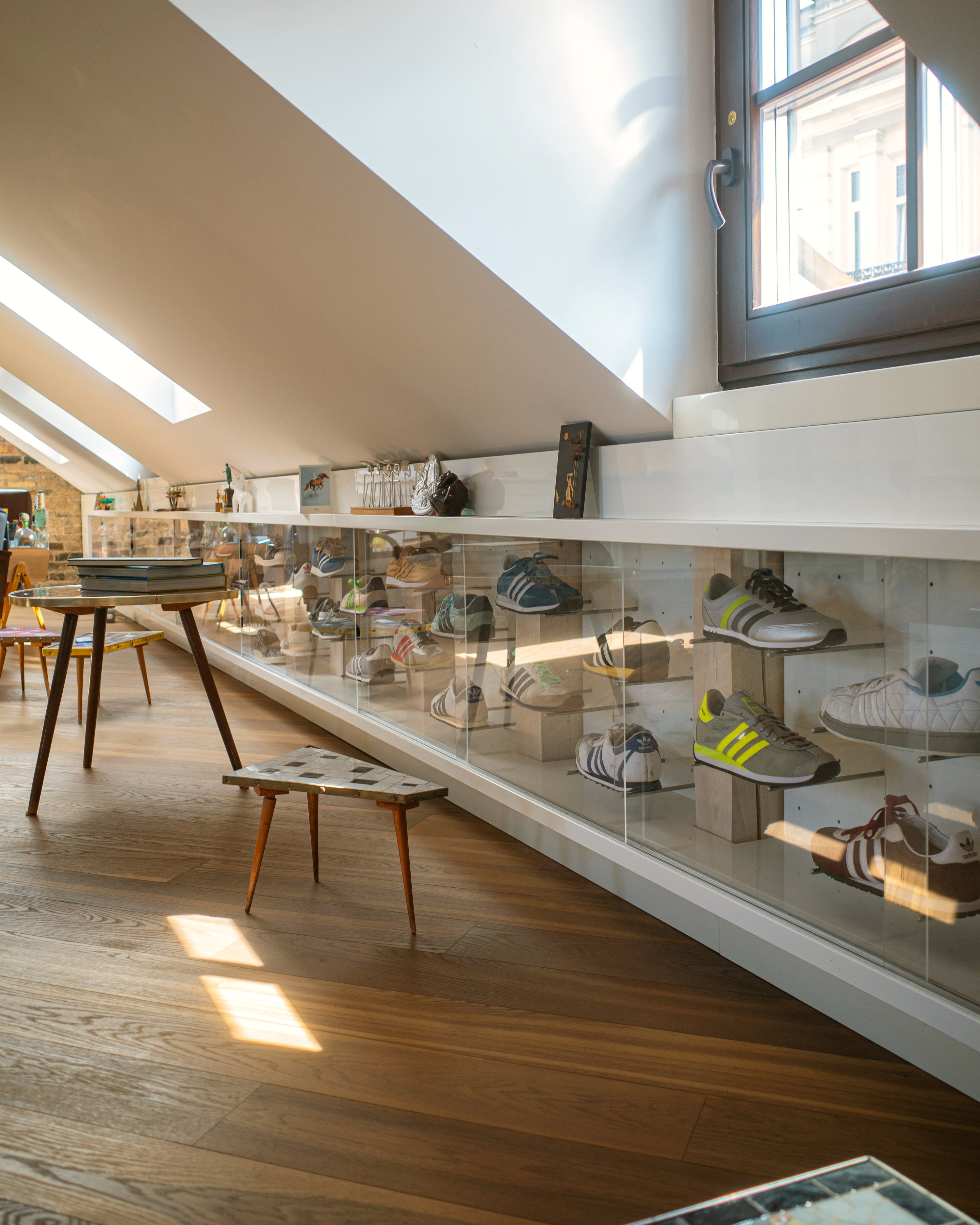
I have a bookshelf section that I use to store shoes. I am not a book collector and do not understand the value of old copies, so the bookshelves were freed up for sneakers. This decision came after renovating the apartment and planning storage space. I also distribute pairs across different apartments for added security so that if something is lost, only one shoe from the pair is stolen. So one shoe from a pair is stored here, and the other in our country house.
How many pairs of sneakers do you have in your collection?
I probably have more than 200 pairs, but I haven't counted them exactly. I sometimes give sneakers to friends or share them with loved ones. Some pairs have been stolen or lost, which is always unpleasant, but collecting for me is like a living organism that constantly evolves and never stands still.
How do you evaluate the value of your sneaker collection?
In my estimation, my entire sneaker collection might have an average value of 40,000 to 50,000 euros. This estimate is based on the value of various models and brands, including rare collaborations and original pairs from past decades. Of course, the price of each pair can vary depending on its condition, rarity, and market demand.
How do you usually choose a model? Do you have a plan, or does it depend more on your mood?
I am not a typical shopaholic and prefer online shopping, especially auctions and sales like eBay. This has allowed me to buy shoes from all over the world. The emergence of online trading in the 2000s significantly changed my collecting opportunities. I don't just follow fashion but look for unique and rare models that have meaning for me. For example, I might search for "Adidas Neighborhood" or "Gazelle woven" and then go ahead.
How do you keep track of new releases?
I monitor certain brands and models to stay updated on new releases. It’s important to have a search methodology to keep your knowledge of new models on the market up to date. New models are often reinterpretations of old ones, which, for me, familiar with the product’s history, holds special significance.
Are you not afraid of buying on eBay?
On eBay, as in any public place for purchases, there is a risk of encountering a counterfeit, so it’s important to choose reliable sellers. Experience helps avoid scams, but you need to be cautious and able to recognize fakes. If a deal seems too good (because of a low price, for example), it probably is.
How do you determine if the price is right for you or not?
The market economy determines prices, and I try to be realistic when evaluating costs. While discounts may occur, they usually do not exceed 20-25% of the retail price. This is fair and helps maintain the production of quality footwear over the years.
You mentioned how you store your shoes. I think this is an interesting fact worth learning more about.
I have a bookshelf section that I use to store shoes. I am not a book collector and do not understand the value of old copies, so the bookshelves were freed up for sneakers. This decision came after renovating the apartment and planning storage space. I also distribute pairs across different apartments for added security so that if something is lost, only one shoe from the pair is stolen. So one shoe from a pair is stored here, and the other in our country house.
How many pairs of sneakers do you have in your collection?
I probably have more than 200 pairs, but I haven't counted them exactly. I sometimes give sneakers to friends or share them with loved ones. Some pairs have been stolen or lost, which is always unpleasant, but collecting for me is like a living organism that constantly evolves and never stands still.
How do you evaluate the value of your sneaker collection?
In my estimation, my entire sneaker collection might have an average value of 40,000 to 50,000 euros. This estimate is based on the value of various models and brands, including rare collaborations and original pairs from past decades. Of course, the price of each pair can vary depending on its condition, rarity, and market demand.
